Looking to do something way, way off the beaten track? Take yourself on a tour that is so far removed from the usual tourist routes it’s underground. No really. Go play in a giant drain on the edge of Tokyo.
Ok, before you sharp-eyed readers start clamoring, we need to admit something. Technically, the subject of this post isn’t a drain. It’s an “underground discharge channel” that diverts water overflow from rivers to avoid floods. You try working that into a punchy title. And good luck making puns. To avoid this article going down the tubes, we’ll be sticking with the word “drain”.
Seriously though, the proper name for the series of big concrete silos and tunnels between Tokyo and Saitama (with the HQ in Kasukabe City, Saitama) is The Metropolitan Area Outer Underground Discharge Channel, also known as the G-Cans Project.
Suggested Activity
Get travel and medical insurance with SafetyWing
For short trips, the Essential plan covers emergencies like evacuation, medical care, and delays. For expats or long-term travel, the Complete plan adds check-ups, mental health, maternity, and trip protection.
Tours of the Metropolitan Area Outer Underground Discharge Channel
Back in 2015, when I first visited this place (*wheezes in aging millennial*), infrastructure tourism wasn’t cool. There was exactly one tour, and it was free. It was run in Japanese and if you couldn’t understand, you couldn’t take part.
Today, there are five regular tours to choose from, and there is even a fancy light-and-sound show that will be on offer from November 2025. There are also seasonal tours and special events, like a Halloween light-up show.
Tours start from ¥1,000, and there is basic English-language signage and support, though it is still recommended that you bring along an interpreter if you can’t speak Japanese.
Important: Tours fill up fast, so reserve in advance. You can book your slot from up to a month ahead of time.
Underground Temple Course
¥1,000 55 minutes
This is the classic tour — the modern version of the one we went on, back in the day. It’s also the one that runs the most often, almost every weekday.
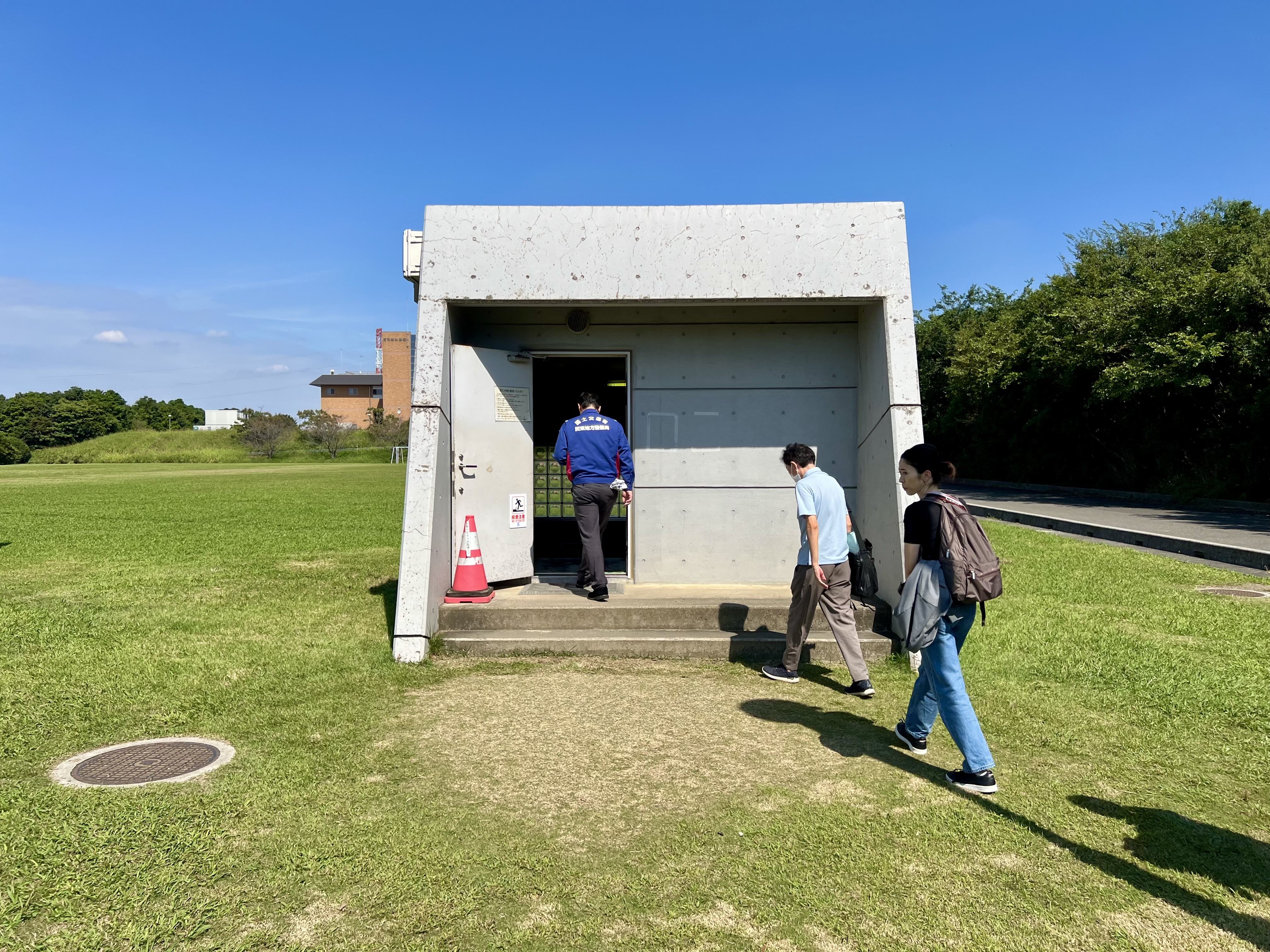
Photo by Carey Finn
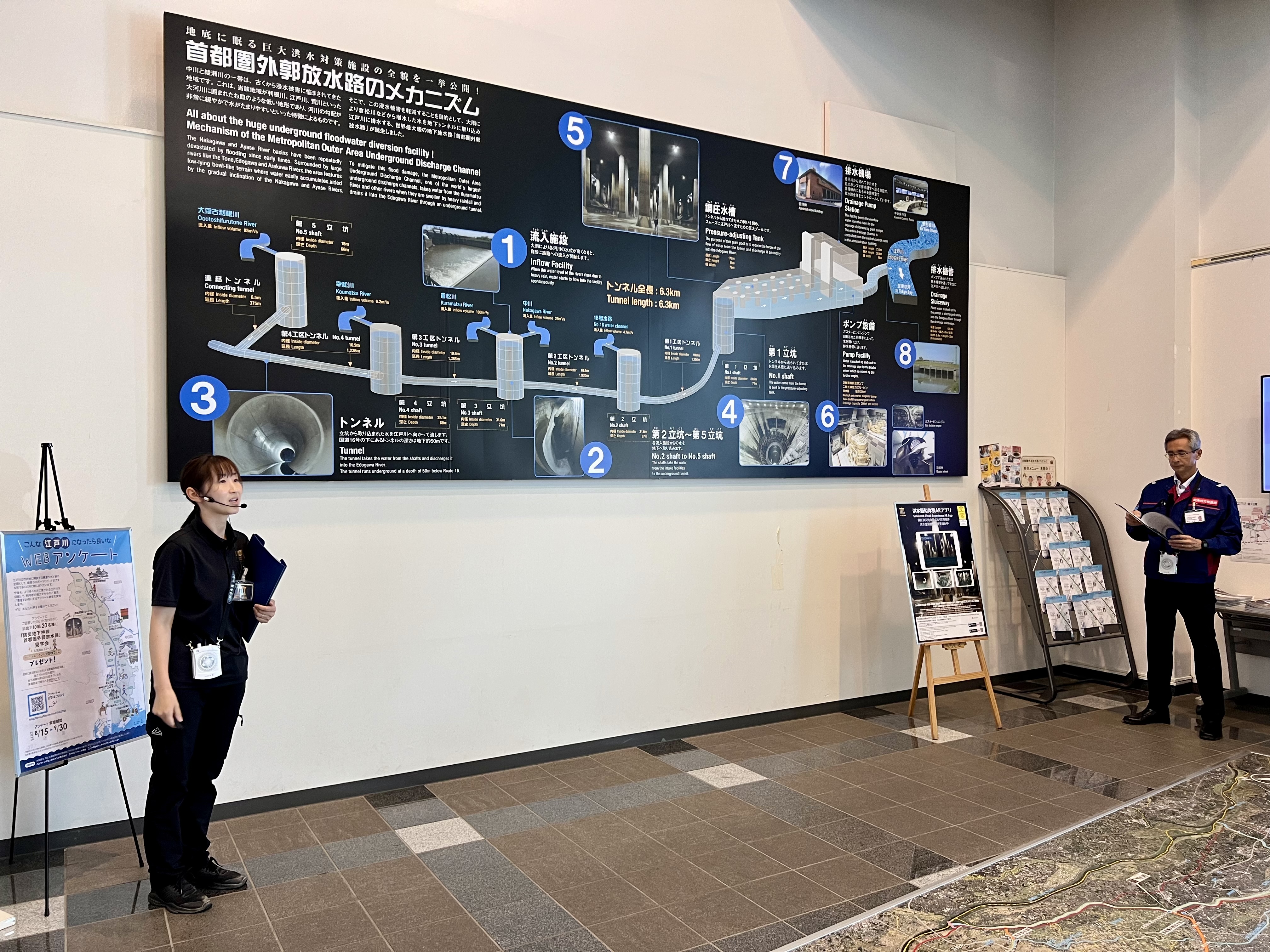
In the first half of the tour, you’ll learn the why and how of the massive drain. The guides will take you through the history of G-Cans, explaining the geographic features of the area. You’ll get an English booklet that outlines all of the important bits.
The area which the underground discharge system serves is low-lying and prone to flooding, so what G-Cans does is funnel overflow from multiple rivers (there are many) including the Naka, Kuramatsu and Ootoshifurutone ones, and redirect it to the Edo River via a 6.3 km (3.9 mi) tunnel that runs 50 m (164 ft) underground. This ultimately helps keep folks in Tokyo safe from flooding too.
Construction on G-Cans began in 1993, and was completed in 2009, though the system was already in partial operation from the mid-2000s.
Suggested Activity
Shibuya Official Street Go-Kart in Shibuya Annex - 55% off!
Enjoy a 1 Hour karting experience on the city roads of Tokyo, with up to 55% discount this month!
Feel like a celebrity as this course will take you through the famous Shibuya Crossing more than once.
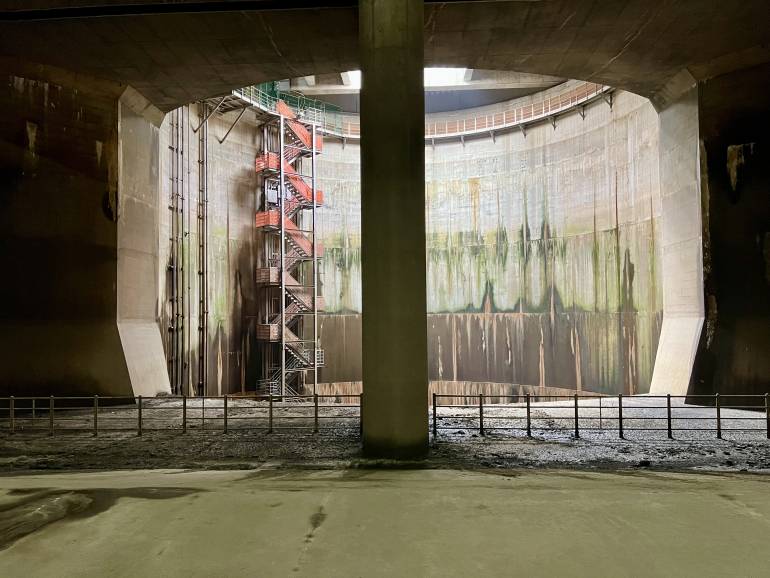
G-Cans requires some pretty serious pumps — the four that are used are powered by gas and are capable of draining the equivalent of a 25 m (82 ft) swimming pool in one second. Be impressed. Unfortunately, the pumps aren’t part of this specific tour (keep reading), but what you will get to see is the gigantic cistern-like space that acts to hold and reduce the flow of water through the discharge channels before it gets pumped out into the Edo River.
Random trivia: Apparently, they once held a concert in G-Cans.
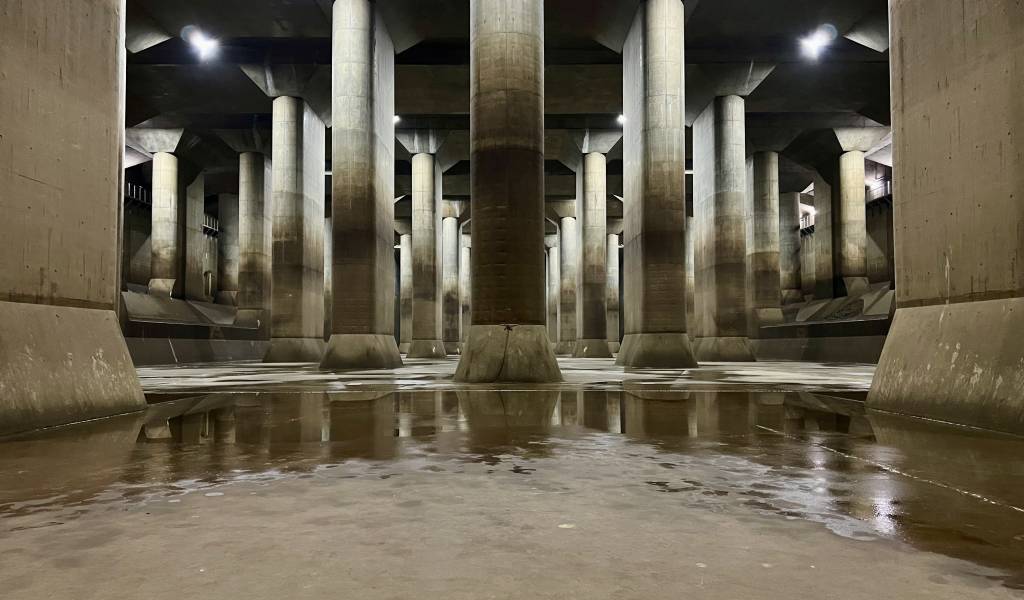
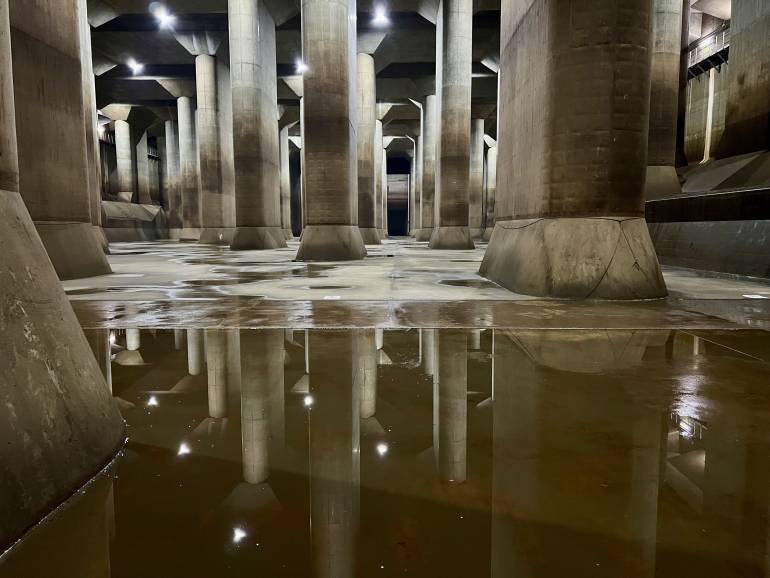
The water tank that you’ll be led into is 22 m below ground, 177 m long, 78 m wide, and 18 m high (or 72 | 581 | 256 | 59 ft). It’s empty when they run tours, just in case you were wondering.
The cavernous “shrine-like” structure is supported by 59 pillars, each of which is 2 m (6.5 ft) wide and weighs 500 tons. You’ll have 10 minutes to potter around a restricted area where you can take photos and make post-apocalyptic comments as much as you like, but no skating or skidding around is allowed. Just go with the flow.
Special light-up tour
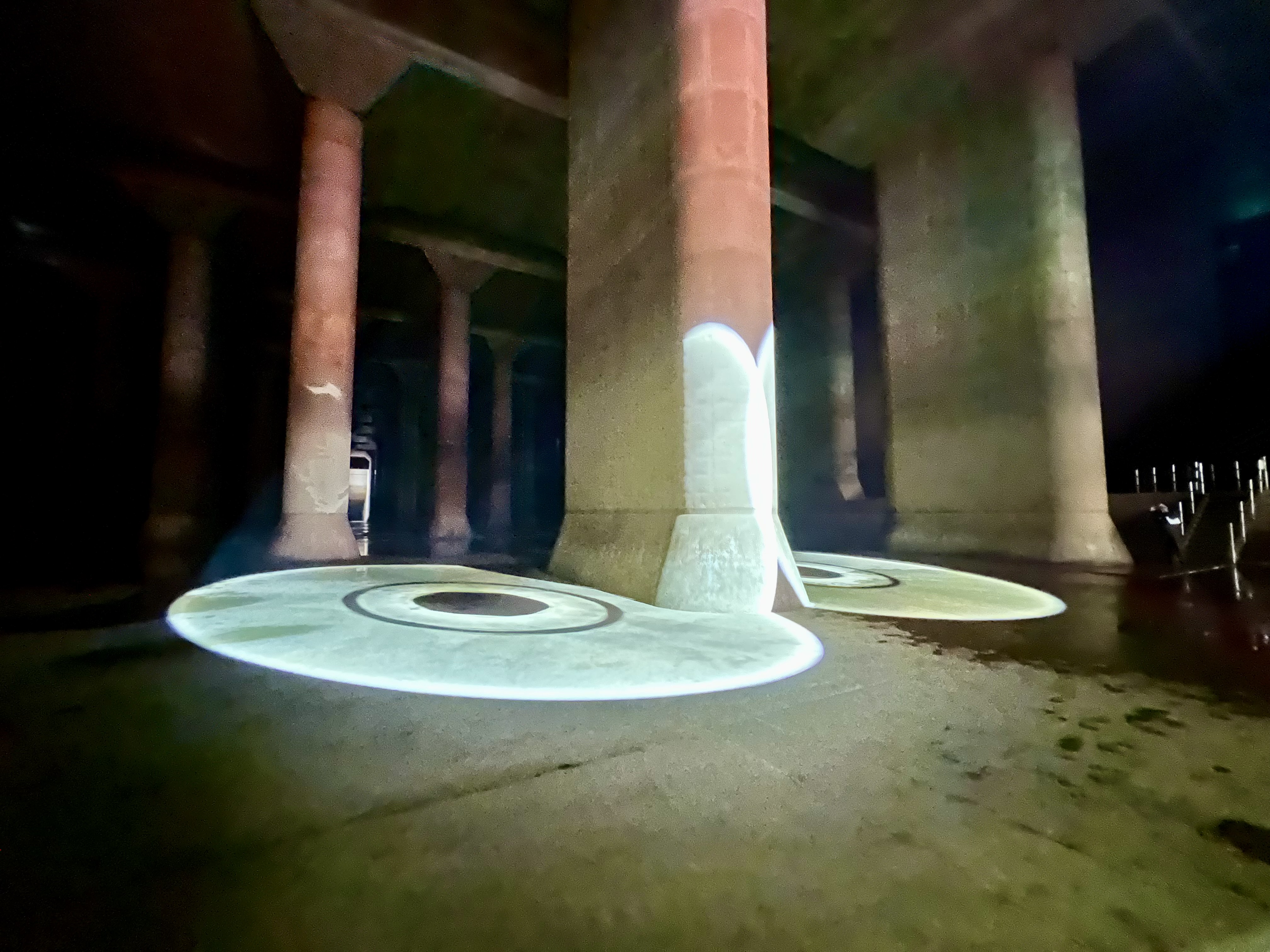
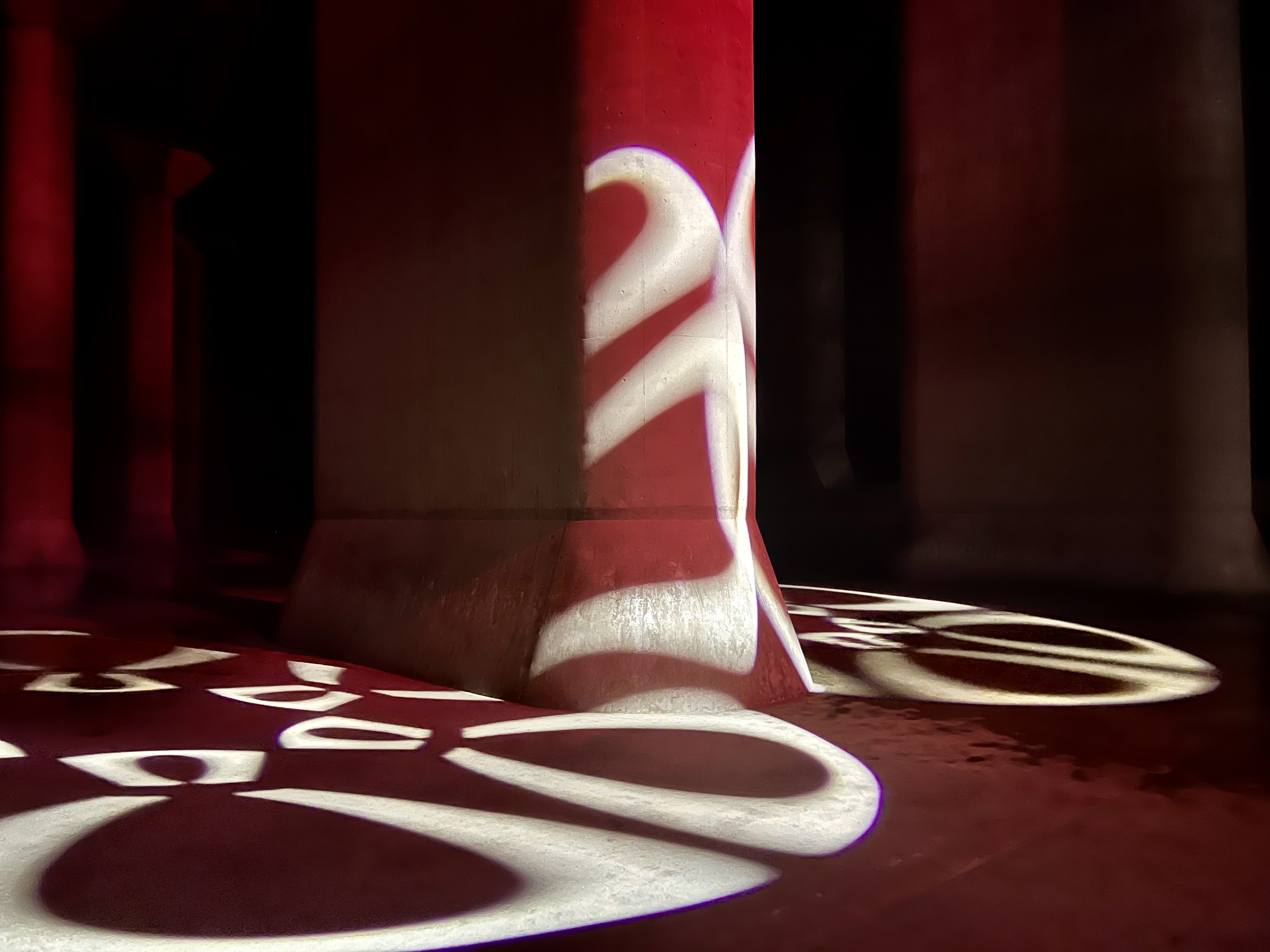
To add extra dimensions to the experience, you can book a version of the Underground Temple Course tour that includes a four-minute light show, with music. We tried it out (got a special preview) and it was pretty great. We don’t use this word lightly, but it was immersive.
Recommended Service
Get a Ubigi eSIM for Japan (in advance!)
Access to affordable, high-speed mobile data while in Japan is a must. Ubigi has popular packages in the 10GB--25GB range, as well as unlimited data plans for power users. TIP: Use code TOKYOCHEAPO for 10% off.
The light-up tour will be offered 6-7 times a month to start, from November 2025. You can book it on Tōbu Top Tours.
Shaft Experience Course
¥3,000 110 minutes
For those who want to go … deeper, this tour tacks on a walk along the catwalk of the giant shaft, and takes you a little way down the stairs, to a depth of 70 m. You’ll need to don a helmet and safety harness.
Giant shaft is giant. | Photo by Carey Finn
Pump Experience Course
¥2,500 100 minutes
This tour is for folks with an eye for civil engineering, and it takes you up close and personal with the mega pumps that keep G-Cans running. Gas turbines, centrifugal pumps, and all that good stuff, plus the “undergound shrine”, of course.
Impeller Exploration Course
¥4,000 110 minutes
Okay, now we’re really getting fancy. First of all, what on earth is an impeller? The opposite of a turbine, apparently. A big old rotor that makes liquid move. Essentially, something cool to look at. Plus you get to wade through water. We plan to do this course when we have a chance.
Minecraft Disaster Prevention Course
¥4,000 120 minutes
From what I can tell, this is the Underground Temple Course but with an instructor and Minecraft stuff. Looks fun.
How to get to the underground drain in Saitama
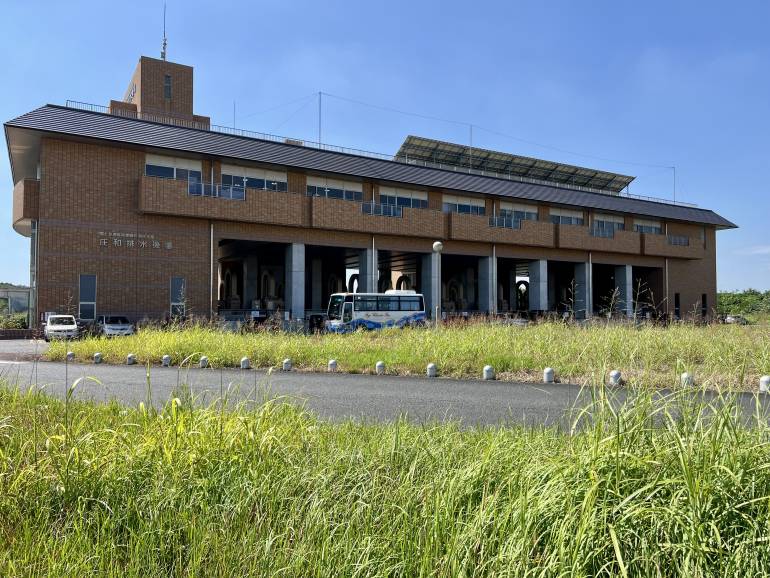
G-Cans is a 35-minute walk from Minami-Sakurai Station on the Tōbu Noda Line (aka the Tōbu Urban Park Line, which connects to Ōmiya Station).
That is quite a trek, so we recommend hopping in a taxi. When we last visited in September 2025, we were able to hail one quite easily using the Go taxi app. It cost about ¥1,800 and took under 10 minutes to get there.
Photo by Carey Finn
Alternatively, you can see if a city bus is running when you go; there are a handful each day.
Getting back to the station
Your best bet is to snag a taxi that has come to drop off someone else. We managed to do that, after having zero luck on the Go taxi app!
Otherwise, get ready for a walk.
A few things to know before you go
The special tours run irregularly. Check the booking calendar for availability.
Take your own drinks and snacks, as there is nothing in the way of food nearby.
Wear shoes that you don’t mind getting wet and dirty.
You will need to descend more than 100 steps at the beginning of the tour, and ascend them again at the end.
Note that the tour of the underground water tank area is unfortunately not barrier-free.
Children under elementary-school age are not allowed to participate.
There is free Wi-Fi in the reception building.
While we do our best to ensure it’s correct, information is subject to change. Post first published in 2015. Last updated by its original author in September, 2025.

 Written by Carey Finn










 Tokyo’s Best Apartment-Style Hotels, by Area
 Highway to Hot Springs: Tokyo to Kusatsu Onsen by Bus
 The Best Pocket Wi-Fi for Visiting Japan — Compared
 Go-Karting in Tokyo: Everything You Need To Know
 Morning Sumo Practice in Tokyo—Everything You Need To Know
 First-Time Harajuku Itinerary: Fashion, Street Food, and More