 Written by Greg Lane
 Researched by Patrick Balfe
As surprising as it may seem, Narita Airport (NRT) — Tokyo’s main international gateway — is not close to Tokyo at all. So getting from Narita Airport to Tokyo is a bit of a trek.
In fact, this Tokyo airport is so rural and remote that on the journey into Tokyo you’ll see rice paddies long before neon lights. In more practical terms, you’re looking at a distance of about 80 km (50 miles) from Narita Airport to Shibuya Crossing.
Pro tip: If you don’t mind spending a little extra, we suggest the simple option of a shared taxi service from Narita Airport. This costs around ¥5,980 per person. Also worth a mention is the speedy Keisei Skyliner train: normally tickets would set you back ¥2,580, but you can buy them online for the discounted price of ¥2,310.
Overview: Getting from Narita to Tokyo
Since Tokyo is so huge, there’s no “one-size-fits-all” answer as to which method or route is cheapest/best for getting from Narita to your accommodation in Tokyo.
If you’ve picked out a hotel in a central neighborhood, like Shinjuku, Roppongi, or Shibuya, you’re in luck — we’ve made individual mini-guides for how to get to each one from Narita Airport. These guides cover the fastest, cheapest, and easiest transport options, and you can find links for all of them below. For other locations, don’t go anywhere — we’ve put together some more general information to help you work out the best option.
Quick comparison of Narita to central Tokyo transport options
These are the main ways of getting from Narita Airport into Tokyo.
| Transport | Approx. cost | Travel time | Frequency | Notes | Booking link |
|---|---|---|---|---|---|
| Airport express train (Keisei Skyliner) | From ¥2,310 | 1 hr | Every 15–20 mins | Transfer at Nippori Station for onward travel on JR lines | Book on Klook or Headout |
| Airport express train (JR Narita Express) | ¥3,070 | 1 hr | Every hour | Direct to Tokyo Station (with less frequent departures for Shinjuku and Shibuya) | Book on Klook |
| Commuter train (Keisei main line) | ¥1,230 | 95 mins | Every 15–20 mins | Transfer at Nippori Station for onward travel on JR lines | Buy at the station |
| Commuter train (JR Sobu Line Rapid Service) | ¥1,340 | 90 minutes | Every hour | Local commuter train with stops at Tokyo, Shinagawa, and Yokohama | Buy at the station |
| Narita Airport Limousine Bus | ¥3,600 | 90–120 mins | Every 15–20 mins | Time varies according to destination; price does not | Book on Headout |
| Low-Cost Bus (LCB) | ¥1,500 | 60–90 mins | Every 10–20 mins | Direct to Tokyo Station. Less frequent departures to other stations. | Buy at the airport counter |
| Regular taxi | From ¥28,200 | 90 mins | Generally available outside the airport | Price may vary considerably depending on traffic and time of day | Grab a taxi outside the terminal |
| Pre-booked shared taxi | From ¥5,980 (inclusive of highway tolls) | 1 hour | Pre-book only | Price per person; from one person (no minimum people required) | Book on NearMe |
| Pre-booked private taxi | From ¥25,800 (inclusive of highway tolls) | 1 hour | Pre-book only | Price per car; great for groups | Book with NearMe |
Note: All details above were calculated on travel to Tokyo Station. Exact fares, times, and transfers will vary depending on your destination.
Express trains from Narita Airport
Two operators run special express trains from Narita Airport to central Tokyo: Keisei (the Skyliner) and JR (the Narita Express, or N’EX).
Keisei Skyliner
From ¥2,310 (if you buy a discounted Skyliner ticket on Klook or Headout)1 hr to Tokyo Station
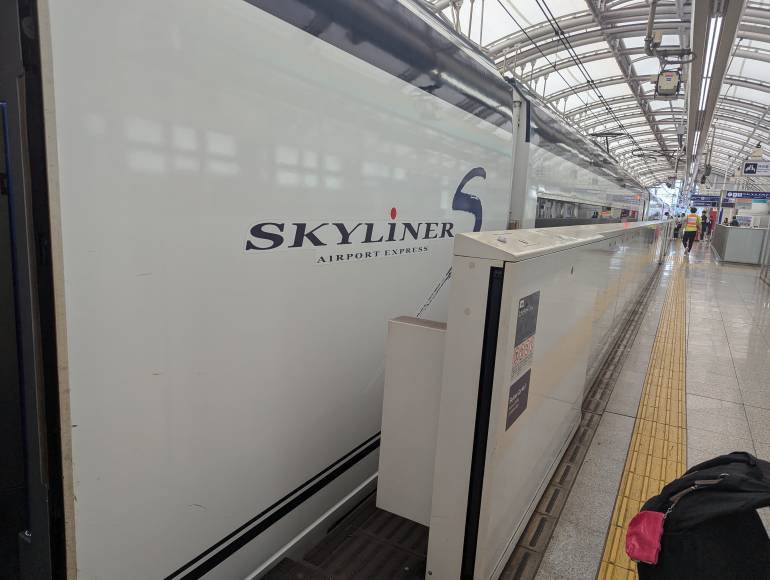
The snazzy Skyliner offers the speediest travel time — just 36 minutes to Nippori Station or 41 minutes to Ueno Station. From Nippori, you can transfer to the JR Yamanote Line for onward travel; from Ueno, you can transfer to the JR Yamanote line and also the Hibiya and Ginza subway lines.
The Skyliner service runs between 7:30 a.m. and 11 p.m., with one to three departures every hour. On weekends, the timetable changes slightly, but the number of departures is the same.
One of the best things about the Skyliner is the train itself. It’s a dedicated airport service — meaning that you don’t have to compete with daily commuters for seats. Reservations are required, so you’re guaranteed a seat. The Skyliner’s seats are incredibly comfortable, and each has its own charging port. There’s separate luggage storage and free WiFi.
For more details, check out our dedicated guide to taking Keisei trains. We cover the Skyliner along with regular Keisei trains (more on those below) from Narita to Tokyo — it’s chock-full of useful info and discount hacks.
Narita Express
¥3,070, book on Klook53 mins to Tokyo station
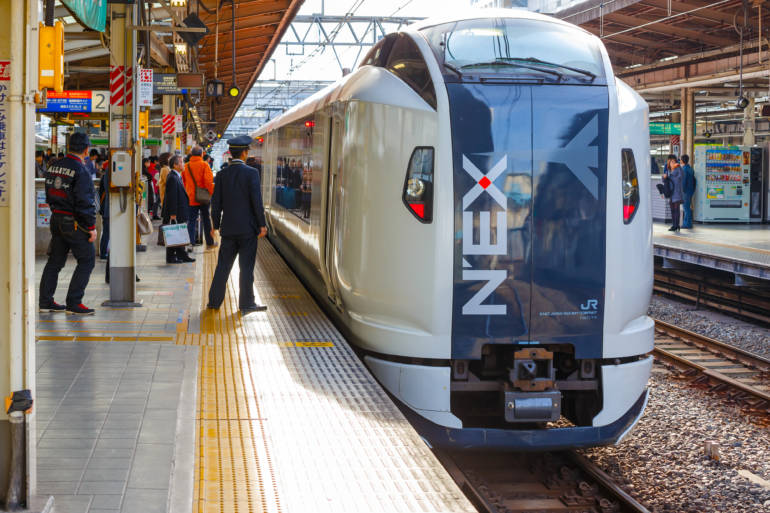
The Narita Express is a trouble-free way of getting to the main JR stations in Tokyo, especially on the west side of town. All N’EX trains go to Tokyo Station (53 minutes). Some continue on to Shibuya, Shinjuku, or stations even further afield — no transfer required. All seats are reserved and, like the Skyliner, there is free WiFi and ample luggage storage.
Three to five N’EX trains depart from Narita Airport Terminal 1 Station each hour, between 6:52 a.m. and 11:42 p.m.; all trains also stop at Narita Airport Terminal 2. Check the timetable carefully to make sure that the service stops at your station — while all services stop at Tokyo Station, not all will stop at Shinjuku Station, for example.
N’EX tickets aren’t cheap: It costs ¥3,070 to Tokyo Station, one way. However, round-trip tickets are discounted. You can buy tickets at the JR stations and travel centers at Narita Airport. You could use a JR Pass (see below) to ride the N’EX; however, we only recommend this if you plan on traveling beyond Tokyo (e.g, to Kyoto or Osaka) the same day or the day after.
When we spoke to Kikuno-san at the Narita Airport Information Desk recently, the Narita Express was their top recommendation because it’s always on time, you get a reserved seat, and it stops at Tokyo Station.
Read our full guide to taking the JR Narita Express.
N’EX Tokyo Round-Trip ticket
The N’EX Tokyo Round-Trip ticket gives you round-trip travel from Narita to Tokyo and back for ¥5,000 for adults (and ¥2,500 for children). It’s only available at Narita Airport to foreign passport holders. The cool thing for residents is that you don’t need a tourist visa.
Regular trains from Narita to Tokyo (Keisei and JR lines)
The budget locomotion option.
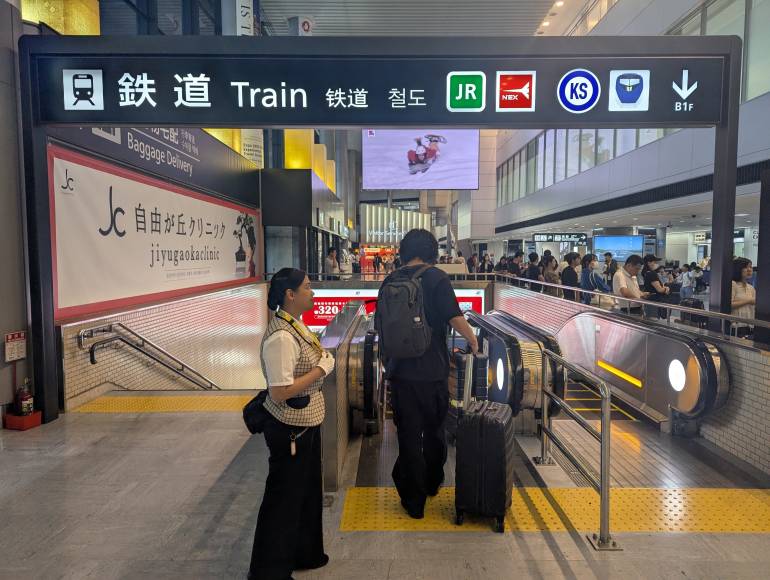
If you don’t have much luggage or don’t mind carting it around, it may interest you to know that the cheapest ways of getting between NRT and central Tokyo are regular Keisei and JR trains.
Keisei
A good thing about the Keisei Line is that some services connect directly with the Toei Asakusa subway line; other services terminate at stations on the JR Yamanote Line (Tokyo’s central loop line). So it’s pretty convenient for a lot of different stations in central Tokyo. The journey takes between 80 and 120 minutes, depending on where you’re heading.
JR Sobu
The good thing about the JR Sobu Line train is that it’s a rapid service with stops at major stations like Tokyo, Shinagawa, and Yokohama. Getting to Tokyo takes around 90 minutes and costs ¥1,340.
The thing to remember about both trains, however, is that they’re local commuter trains — so catching them with your suitcase during rush hour may be less than ideal.
Pro tip: To help you on your visit, we’ve put together a comprehensive guide to taking Keisei trains from Narita to Tokyo.
Keisei Sky Access Express
Keisei has another useful regular train service: the Sky Access Express (not to be confused with the Skyliner). This service connects directly with the Toei Asakusa Subway Line (rather than terminating at Nippori or Ueno Stations). You can travel directly to destinations including: Asakusa (55 mins), Nihonbashi (65 mins), and Shinbashi (70 mins), faster than you could on the Keisei Limited Express.
The total travel cost to destinations on the Toei Asakusa line is about ¥200 more than using the Keisei Limited Express routes outlined above; so, for example, the trip from Narita to Asakusa will cost you ¥1,380.
In our opinion, the extra couple hundred yen is worth it. But for maximum comfort and convenience, the Skyliner is still your best bet. Again, we recommend looking at our dedicated guide to taking Keisei trains (Limited Express, Sky Access Express, and Skyliner) from Narita to Tokyo — it’s full of useful info and discount hacks.
Buses from Narita to Tokyo
There are a few different buses running from Narita to Tokyo and back.
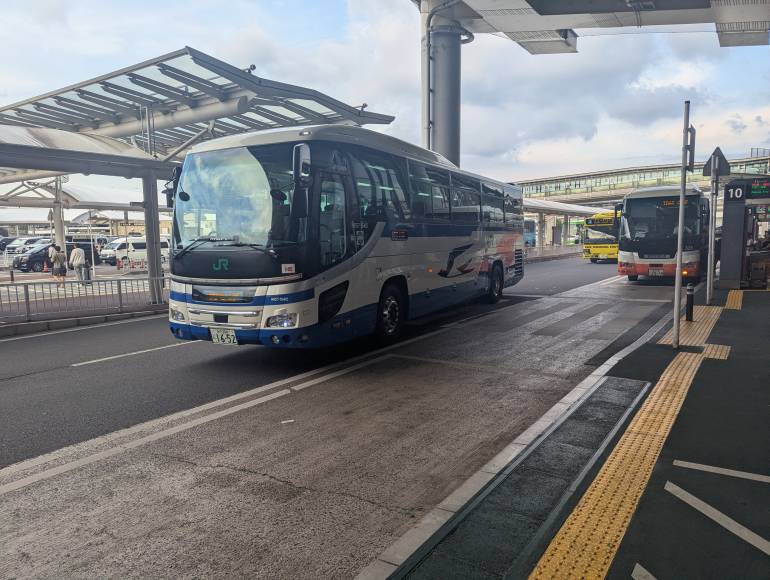
Narita Airport Limousine Bus
From ¥3,60090 to 120 minutes (depending on traffic)
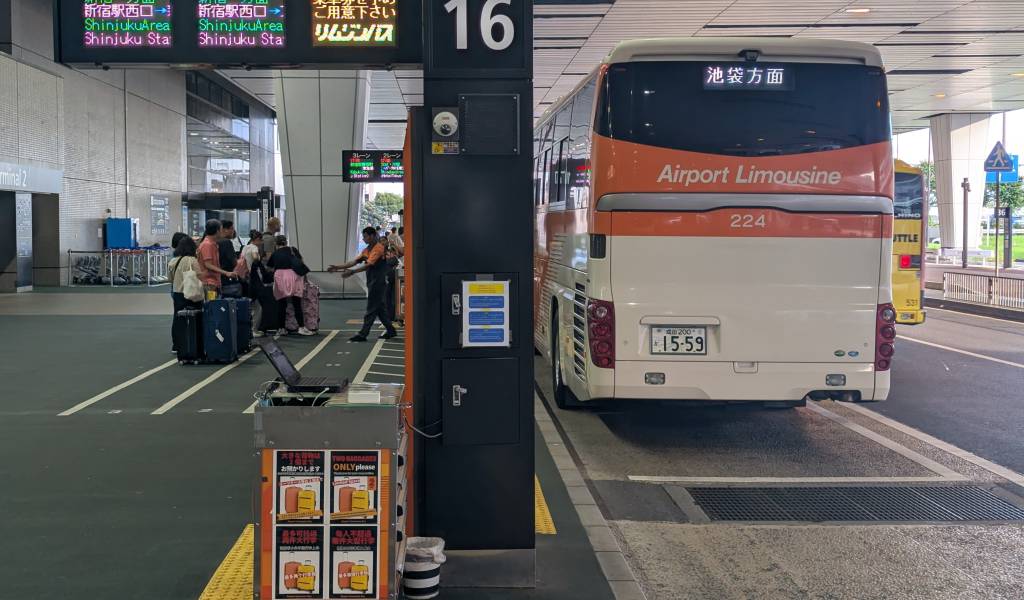
The convenience of not having to cart your luggage around is great, but the Airport Limousine Bus service is not the cheapest option. Also, while comfortable, the buses are, in fact, not very limousine-like. They are simply coaches (with comfier seats and WiFi) that run to major hotels and stations in the Greater Tokyo area for ¥3,600 one way.
The time it takes to get to central Tokyo depends on traffic, but even when we traveled from Narita to Shinjuku Station in peak-hour traffic recently, it took exactly 1 hour and 50 minutes.
You get space for two suitcases per passenger and an assigned seat. If the bus isn’t full, you might be able to get away with an extra bag, but to be safe, we recommend sending additional luggage to your accommodation, from the airport.
You can book Airport Limousine Bus tickets online in advance.
You can also buy tickets from the bus counters and ticket machines in the airport arrivals hall on the day. When we visited Narita recently, there were several machines and a couple of counters at each terminal, so it was quick and easy to buy tickets.
Low-Cost Airport Bus services
Tokyo, Ginza, and Shinonome
About 65 minutes
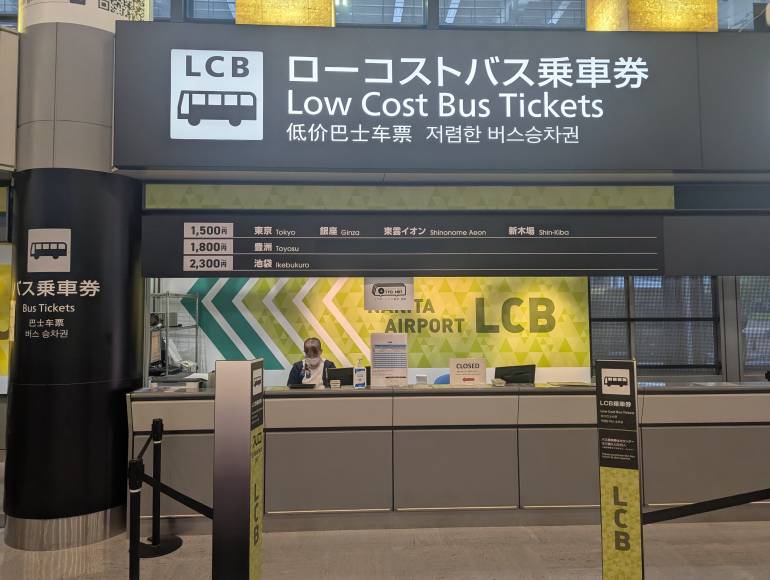
Note: As of August 2025, the Low-Cost Airport Bus — also known as the Airport Bus Tokyo-Narita (TYO-NRT) — still can’t be booked in advance. You need to buy your ticket on the day.
The Airport Bus Tokyo-Narita (TYO-NRT) is also known as the Low-Cost Airport Bus or LCB. Regular daytime tickets cost ¥1,500 for adults and ¥750 for kids.
While the Airport Limousines stop at central Tokyo hotels, this no-frills service gets to where it’s going quicker with stops only at Tokyo Station (Yaesu Exit), Ginza Station, and Shinonome.
Early-morning and late-night tickets are double the price at ¥3,000 for adults and ¥1,500 for kids. The journey takes about 65 minutes.
Buses to Tokyo Station leave four to six times per hour, but only one or two of those continue to Ginza and Shinonome.
When we spoke to them recently, the staff at the Narita Airport Visitor Service Center recommended LCBs as their favorite combination of price, speed, and convenience. The JR rapid train was their next top recommendation, as it’s cheaper but takes slightly longer.
Note that luggage restrictions are a little stricter on the budget coaches: typically just one suitcase (158 cm) per traveler. You can’t buy LCB tickets from automated machines, but there are one or two counters in each terminal, and lines typically aren’t very long.
Shinkiba, Ikebukuro, Shibuya, Toyosu
About two hours
If you’re so inclined, other operators run much less frequent services to Shinkiba, Ikebukuro, Shibuya, and Toyosu.
If you’re heading to Shinkiba, there are two buses per day, leaving Terminal 3 at 10:15 a.m. and 5:15 p.m. and arriving at Shinkiba Station at 11:20 a.m. and 6:20 p.m. respectively.
Buses to Ikebukuro Station are operated by Willer and depart once per hour between 7 a.m. and 10 p.m., except at 8 a.m., 10 a.m., and 9 p.m. The trip is direct to Ikebukuro Station West Exit and takes around two hours.
Buses for Shibuya, however, leave only once per day, departing Terminal 3 at 10:10 a.m. and arriving at Shibuya Station (Shibuya Fukuras) at midday.
If you’re headed to Toyosu, it’s a similar story with one train leaving Terminal 3 at 2:05 p.m. and arriving at Michino Terrace Toyosu (La Vista Tokyo Bay) at 3:15 p.m.
Taxis from Narita Airport to Tokyo
From ¥28,200 per vehicle (non-toll roads)90 minutes
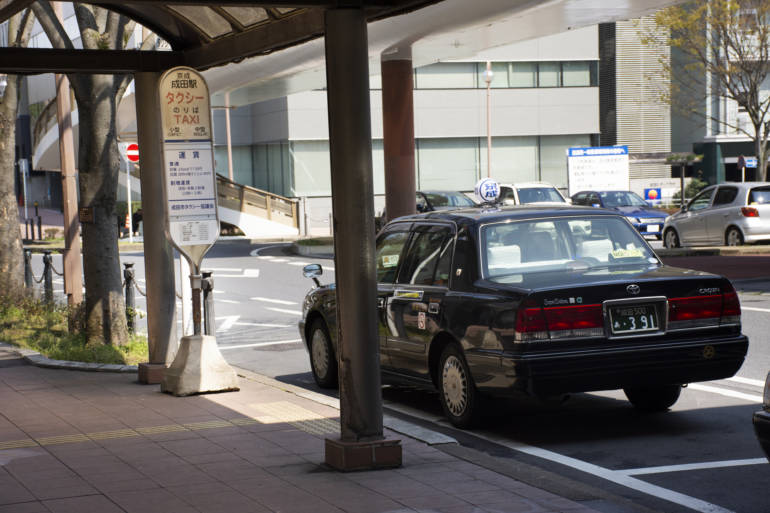
Taking a regular taxi (or Uber) from Narita Airport to central Tokyo is expensive. It only makes sense if you are traveling in a group or in a real pinch. Also, keep in mind that the above price and duration are for non-toll roads during the day.
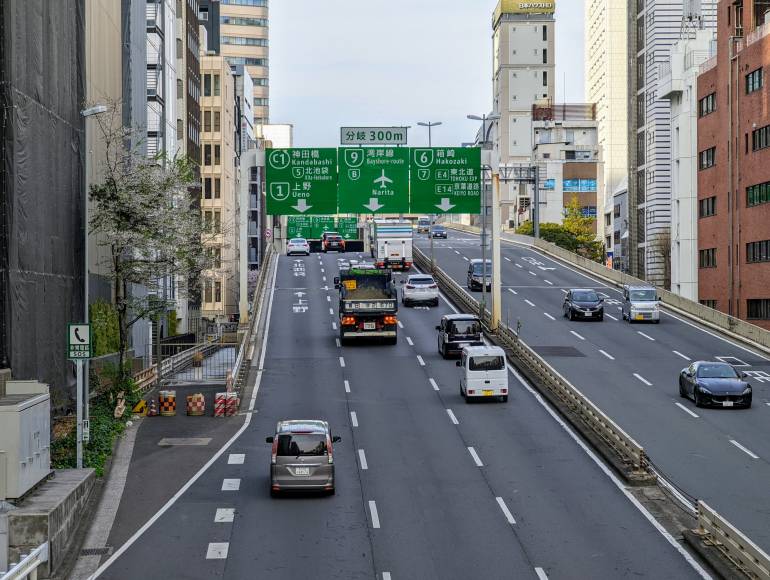
Toll roads will get you where you need to go quicker, to Tokyo Station in one hour in this example, but it also costs you more — around ¥32,550 total. And of course, don’t forget the additional 20% surcharge between 10 p.m. and 5 a.m.
Recommended: Shared pre-booked taxi
¥5,980 per person (from one person — no minimum required)1 hour
A nice, personal service and direct to your hotel, a shared minibus/taxi service hits the sweet spot between budget and convenience. For about ¥5,980 per person, you get frictionless transport from the airport to your accommodation. Vans can accept large luggage such as big suitcases and snowboards.
For groups: Private pre-booked taxi
About ¥25,800 per vehicle1 hour
A pre-booked private taxi could save a little money — and you get the reassurance of a car waiting for you upon arrival at the airport. Another bonus is that you can choose a larger vehicle for a small extra fee — which might be necessary if you have a party of more than three and luggage.
Narita Airport (NRT) to popular Tokyo destinations
Check out our mini guides for getting from Narita to different parts of the city:
- Narita Airport to Shibuya
- Narita Airport to Shinjuku
- Narita Airport to Roppongi
- Narita Airport to Ikebukuro
- Narita Airport to Ueno
- Narita Airport to Asakusa
- Narita Airport to Tokyo Disney
Pro tip: Getting in late at night? Check out our dedicated guide to late-night transfers from Narita Airport.
Narita to Tokyo FAQs
We answer some of the most common questions about getting from Narita Airport to Tokyo.
Can I use a Japan Rail Pass (JR Pass) from Narita Airport to Tokyo?
Yes. However, given that it doesn’t cost much to get into Tokyo, you should think carefully before you activate your JR Pass — especially if you plan to spend the first few days of your trip in the city. You might want to choose another option to get into Tokyo, and then activate the JR Pass when you embark on a longer inter-city trip.
How far is Narita from Tokyo?
Narita Airport is approximately 64 km from Tokyo. It is located in Chiba Prefecture.
I’ve heard about people offering cheap car rides from Narita to Tokyo, are these legit?
We’ve heard about these online too, but haven’t tried them. In any case, ¥5,000 sounds a bit too cheap for our liking, so probably best to stick with the more traditional methods! Stay safe out there.
Can I store luggage at Narita Airport?
Yes, see the airport section of our article on luggage storage in Tokyo.
What is the fastest way to get to central Tokyo?
The fastest way to get to central Tokyo from Narita is the Keisei Skyliner. It can get you to Ueno Station in just 41 minutes.
What is the best way to get from Narita Airport to Tokyo Station?
The Narita Express and Low-Cost Buses are our favorite ways to get to Tokyo Station from Narita. The N’EX will get you there in about one hour and costs ¥3,070. The LCB costs ¥1,500 and takes 60 to 90 minutes, depending on traffic. Limousine Buses also go to Tokyo Station but are more expensive. The Keisei Skyliner does not stop at Tokyo Station.
What is the best way to get to Shibuya Station from Narita Airport?
The Narita Express is the most direct, but it’s a little pricey. The Skyliner requires a transfer but is a little cheaper. Check out our Shibuya-specific guide.
What is the difference between Narita Station and the Narita Airport train stations?
About 8 km, so make sure you don’t get off at Narita Station by mistake on your way back to the airport! Narita Station is not the one at the actual airport. Stay on the train until you reach the station for your terminal — Narita International Airport Terminal 1 Station or Terminal 2 Station (which serves both Terminal 2 and 3).
How do I get to Narita Airport from Tokyo?
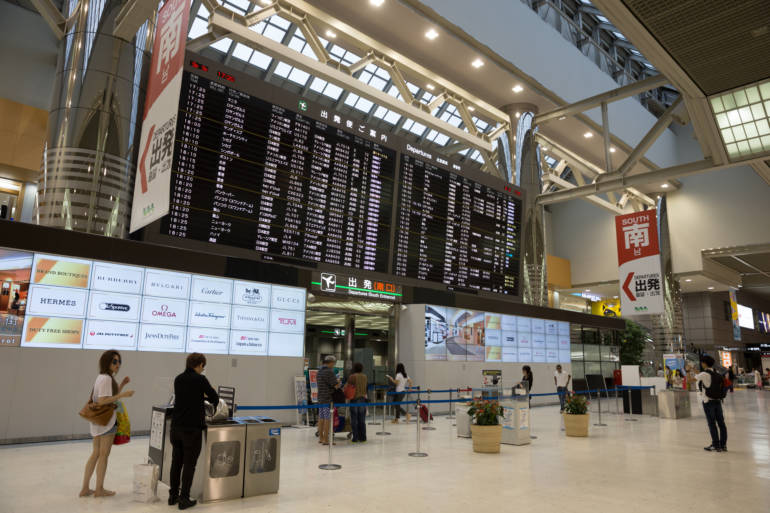
On the way back, all of the same transport options apply. Simply reverse the route, check the times, and you’re good to go.
Which airport should I use to fly into Tokyo?
If it’s an option when you’re booking your flight to Tokyo, Haneda (HND) Airport is the one to choose. It’s closer to the city and much snazzier, too. However, flying into Narita (NRT) Airport is often the only — or cheaper — option, and, as you can see, it’s well connected to Tokyo. For more pros and cons, check out our video:
What is the difference between the Narita Airport Limousine Buses and Low-Cost Buses?
There are three main differences. The first big difference is that Limousine Buses allow two pieces of luggage, while the LCB only allows one. The second major difference is the number of stops. Limousine Buses stop at train stations and major hotels, while the Low-Cost Buses only stop at the major central train stations.
The last is the frequency of departures from Narita. The Limousine Buses depart for all stops fairly regularly, while the LCB only has regular stops for Tokyo Station; some other stops are less frequent.
Is there a difference between the transport options at Narita Airport terminals 1 and 2?
No, all buses and trains stop at both Terminal 1 and Terminal 2.
Are there trains at Narita Airport Terminal 3?
There is no train station at NRT Terminal 3, where most LCCs arrive and depart. Instead, you’ll need to use the train station at Terminal 2 (about a 15-minute walk). Buses and taxis do depart directly from Terminal 3, though.
Are there shuttles running between each of the Narita Airport terminals?
Yes, there are regular free shuttles that run between terminals 1, 2, and 3.
Is there a way to see multiple transport options from Narita to my destination?
Yes, the Narita Airport website has this handy navigation tool.
Is there a hotel inside Narita Airport?
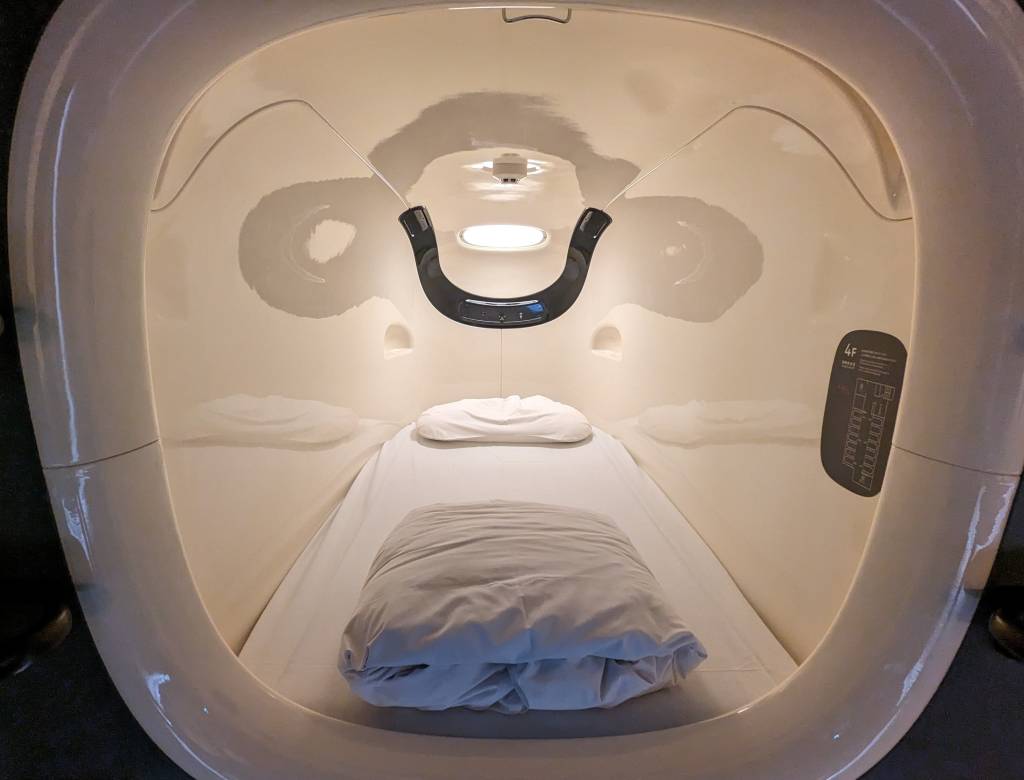
The only accommodation directly connected to Narita Airport is a capsule hotel called Nine Hours Narita Airport. It has around-the-clock check-in and can be found in Terminal 2. The hotel provides basic toiletries and sleepwear.
For recommendations on hotels near Narita Airport, see our accommodation listings. There are lots of options, with free shuttles running between the hotels and airport.
While we do our best to ensure everything is correct, information is subject to change. This post was originally published on July 30, 2012. Last updated in August 2025, by Patrick Balfe.
閱讀繁體中文版本: 從成田機場到東京:交通攻略