 Written by Carey Finn
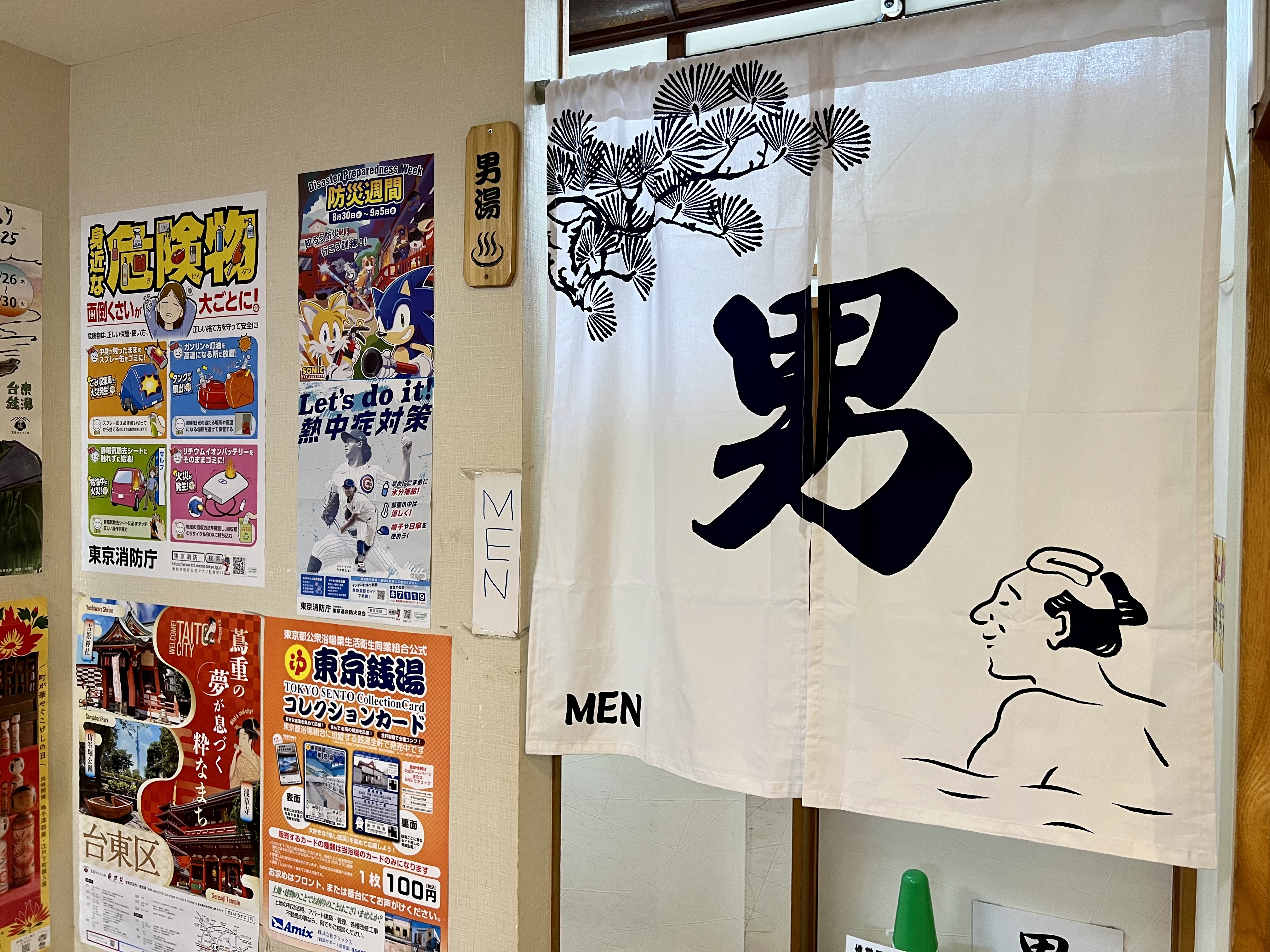
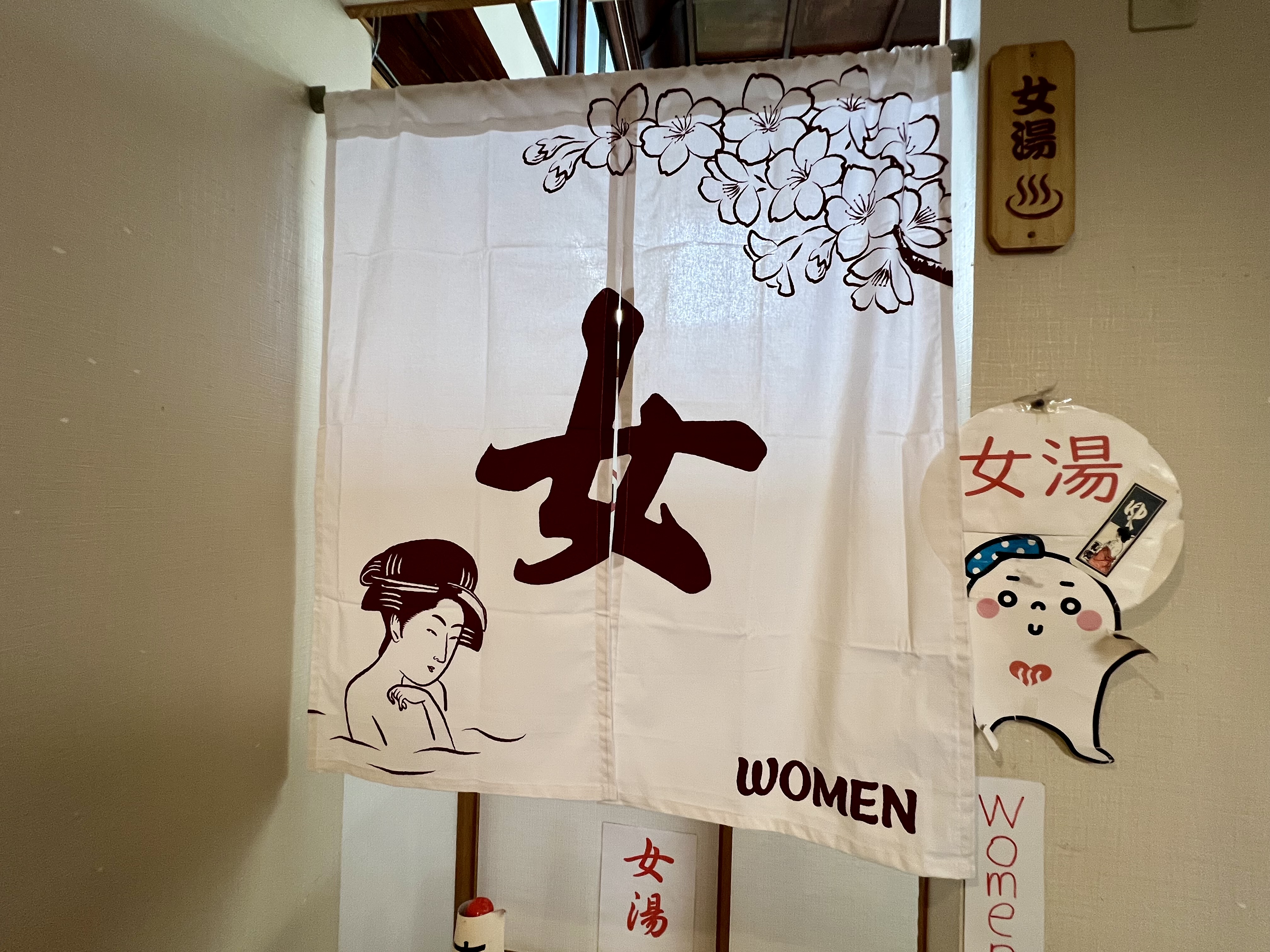
Public baths — called sento — are a big part of Japanese culture, but one that can be intimidating for tourists to experience. In a bid to change that, the Tokyo Metropolitan Government, in partnership with the Tokyo Sento Association, is launching a “Welcome! Sento Campaign” on September 1, which aims to do exactly what it says.
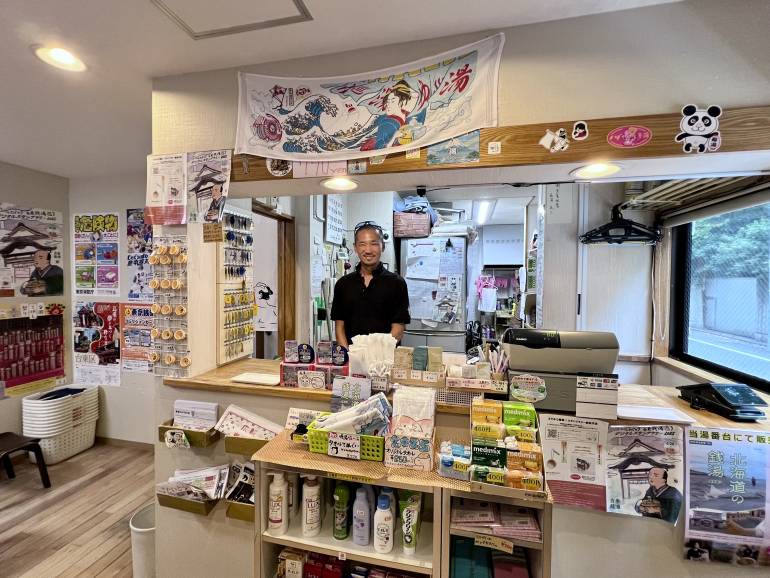
A total of 63 public bathhouses across Tokyo, including the popular (and tattoo-friendly) Kotobuki-yu in Ueno, have been certified as “tourist-friendly” as part of the campaign. Visitors can expect a warm welcome, along with multilingual signage and support, discount coupons, cashless payment options, bath amenities, and “a spirit of hospitality”.
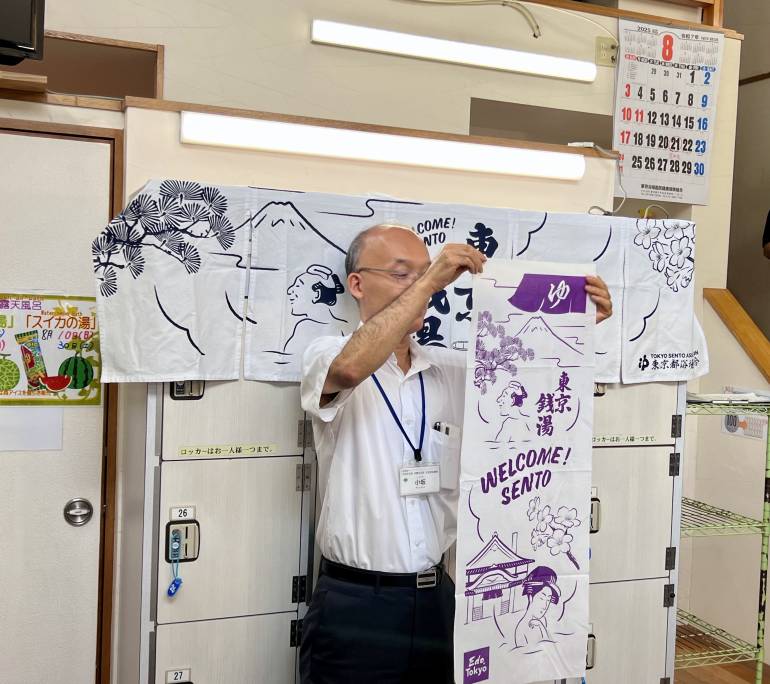
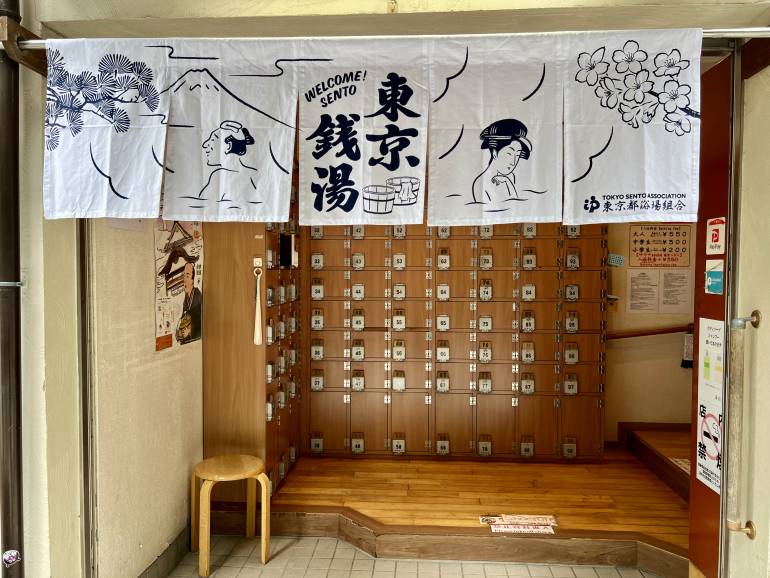
Overall, the campaign translates to good vibes — and freebies. If you participate in a survey at the bathhouses, you can bag an original tenugui cotton towel (while stocks last, anyway).
You might be wondering — what happens after the campaign? It ends on February 28, 2026, after all. Don’t worry, you will still be welcome at the bathhouses; the specific campaign perks like coupons will just fall away.
Discount bath tickets for tourists
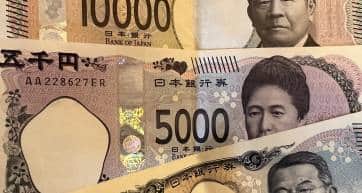
Sento are already affordable, costing just ¥550 per person, but tourists staying at designated hotels will be able to snag a discount coupon that drops the price to ¥300 during the campaign period. You can see the list of participating hotels here.
Discount coupons will also be distributed at the World Athletics Championship in September, and the Deaflympics in November. Special themed “Athletes’ Baths” will be set up at some of the sento during the sports events.
Why sento?
For some, the idea of soaking completely naked in a bath with other people is the stuff of nightmares. But public baths in Japan are amazing, and must be experienced to be appreciated. Offering both the chance to relax and — historically, anyway — catch up with the members of one’s community, they have long played an important role in Japanese society.
Plus, sento are extremely affordable, especially compared to hot springs (onsen). You can have the best bath of your life for just a few dollars.
Facilities
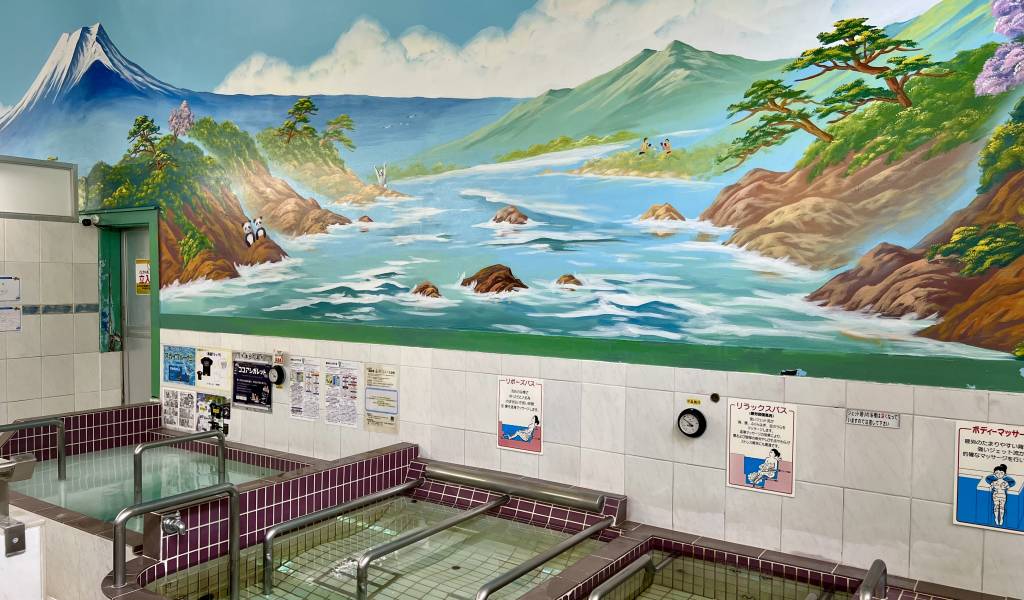
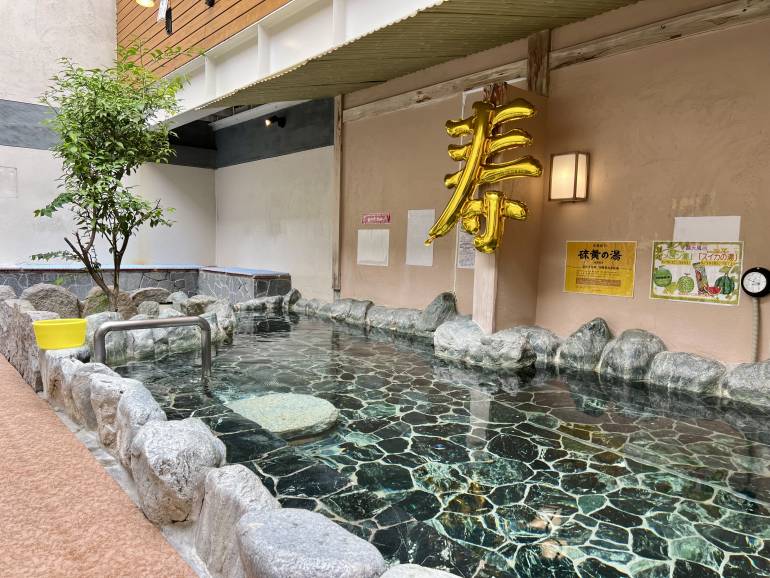
Sento are centred around a steaming indoor bath, which is usually 40-42 degrees Celsius, sometimes hotter. It will often have a stunning mural above it. They may also include sauna rooms (there is a bit of a “sauna boom” happening in Japan currently), outdoor baths, and other facilities — like the “cave bath” on the men’s side at Kotobuki-yu, for example.
Note: Men and women bath separately at sento. If you have concerns, see our All-Gender Hot Spring Guide for alternative options.
What is behind the sento campaign?
Overtourism has been big in the news lately, but not in the baths. The number of people who use sento — both residents and visitors — is lower than it was pre-pandemic. While numbers are increasing, the rate of recovery is slow.
At the same time, the number of sento in Tokyo is shrinking, as a result of aging operators and facilities, as well as the widespread availability of private baths. There was a time in Japanese history when baths were not a standard feature of houses and apartments — obviously, that’s changed.
The Tokyo government has put its weight behind the Welcome! Sento campaign to introduce sento culture to international visitors, and bolster overall bather numbers. It’s not a case where tourists are going to “save the sento”, however; the majority of customers are still local residents — and that is expected to continue to be the case.
Participating sento in Tokyo
There are tourist-friendly bathhouses from Shinjuku to Shinagawa, Adachi and all over Tokyo. You can find the full list here.
Can I use other sento?
Yes. You can use the bathhouses in Tokyo that are not participating in the welcome campaign — just don’t expect special English support or cashless payment, and make sure you are familiar with bathing etiquette to avoid any blunders.
While we do our best to ensure it’s correct, information is subject to change.