 Written by Carey Finn
Nagoya has a reputation for being a rather industrial (and dull) place. In fact, while many tourists pass through Nagoya — traveling between Tokyo and Osaka or Kyoto — very few actually stop. However, with the opening of the Ghibli Park, things have changed.
The city of Nagoya is about 340km west of Tokyo, roughly three quarters of the way to Kyoto. It’s the fourth most populous urban area in Japan, the bustling capital of Aichi Prefecture, and — since fall of 2022 — home of Ghibli Park. Options for getting from Tokyo to Nagoya (and back) include trains, planes, and buses. The speedy Shinkansen is our top choice.
How to get from Tokyo to Nagoya
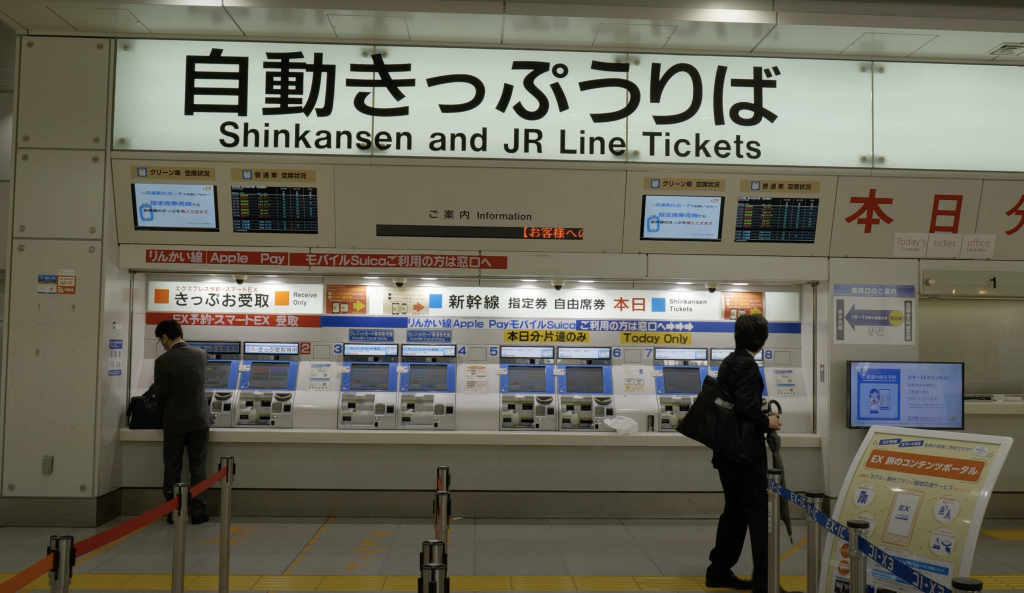
The Shinkansen is the fastest, easiest, and most convenient option, particularly if you have a Japan Rail Pass. It’s also easy to buy a one-way ticket.
Meanwhile, the cheapest option is a highway bus, followed by local trains. However, both highway buses and local trains are more time-consuming (and sometimes uncomfortable) ways of traveling between the two cities, when compared to the Shinkansen.
If you’re happy paying highway tolls, you could also rent a car and drive from Tokyo to Nagoya. Unless you’re traveling in a group, though, it doesn’t work out to be super economical.
Parking your car at Ghibli Park
Parking at Ghibli Park is a little roundabout, since there’s no dedicated lot for the park itself. Instead, you’ll need to use the public parking at the Expo 2005 Aichi Commemorative Park, where Ghibli Park is located. The closest options are the North Parking Lot, handy for the station and a Lawson, and the West Parking Lot by the park’s West Entrance.
A full day will usually set you back around ¥1,000 (sometimes less depending on the lot). The catch is that spaces can fill up fast, especially on weekends and holidays.
Tokyo to Nagoya transport options
| Transport | Comfort | Price | Time | Emissions | Booking link |
|---|---|---|---|---|---|
| Shinkansen | ★ ★ ★ ★ ★ | ¥11,300 or less with discount passes | 2 hrs | 3.4kg CO2 | Buy a Japan Rail Pass or a one-way ticket |
| Local trains | ★ ★ ☆ ☆ ☆ | ¥6,380 or ¥2,410 with a Seishun 18 Pass | 6–7 hrs | 7kg CO2 | Use an IC tap card or buy tickets at the station |
| Flights | ★ ☆ ☆ ☆ ☆ | ¥4,000 + transfers | 1 hour 10 mins flight time + transfers | 37.4kg CO2 | Search flights |
| Highway buses | ★ ★ ★ ☆ ☆ | ¥2,000–¥15,600 | 6–10 hrs | 15.1kg CO2 | Search highway buses |
Shinkansen: For speed and convenience
¥11,300About 2 hours
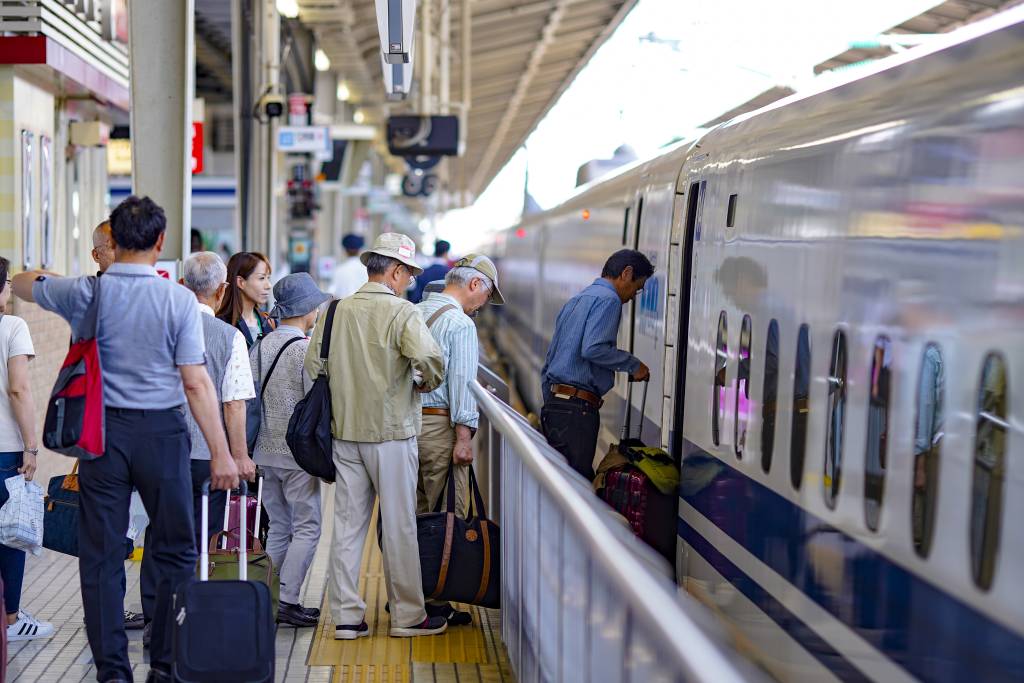
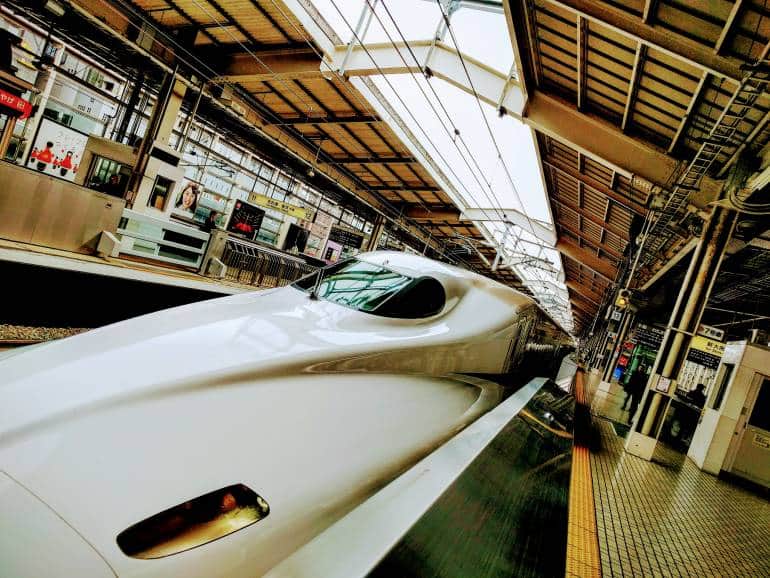
Getting from Tokyo to Nagoya is quickest via the Shinkansen. You’ll be taking the Tōkaidō Shinkansen, which is the same one you take if you’re going to Kyoto or Osaka. Trains depart every 3–15 minutes.
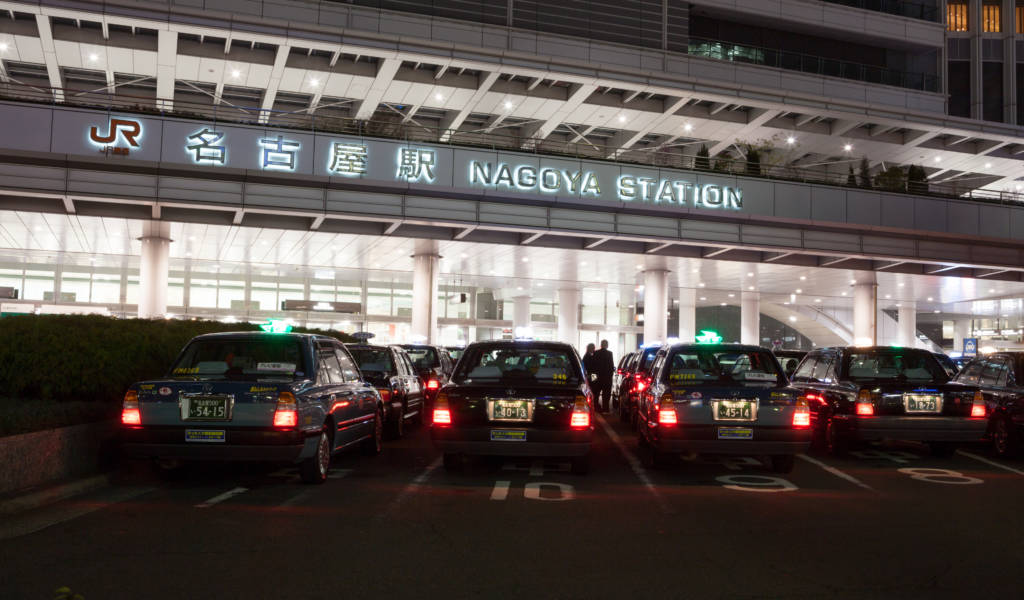
The Shinkansen is also the most convenenient way of getting to Nagoya because it travels direct from city center to city center. In Tokyo, you can depart from either Tokyo Station or Shinagawa Station. You’ll arrive at Nagoya Station, Nagoya’s main train station (and also one of the world’s largest train stations).
How long does it take to get from Tokyo to Nagoya on the Shinkansen?
The exact time depends which bullet train service you take, but it’s typically a 100-to-120-minute ride.
The fastest service on the Tōkaidō Shinkansen, Nozomi, will get you there in 1 hour 40 minutes. The next-fastest service, Hikari, will have you at Nagoya Station in just over two hours (sometimes less).
Note that if you’re traveling on a Japan Rail Pass, you’ll be restricted to Hikari and slower bullet train services.
The very slowest service is the Kodama, which uses an older model of train and takes just short of 3 hours to make the trip from Tokyo to Nagoya. There are discount tickets (see below) that can make the Kodama an affordable option.
Our advice: Your money is better spent on the more time-efficient Hikari or Nozomi services. With upwards of 10 departures an hour, there are no shortage of fast services on the Tōkaidō Shinkansen.
How much does a Shinkansen ticket from Tokyo to Nagoya cost?
In peak season (i.e. spring and summer holidays, Golden Week and over New Year), a regular one-way ticket costs about ¥11,300. It’s a couple of hundred yen cheaper off-peak.
To save some money (about ¥700), you can opt for non-reserved seating (jiyūseki), but there is a risk that you’ll have to stand the whole way — especially during peak season.
If you are traveling with small children, have a lot of luggage, or just don’t like being on your feet for that long, it’s recommended that you book a reserved seat (shiteiseki). You can reserve seats in advance at the station or online (on the JR website).
Can I take luggage on the bullet train?
If you have a lot of luggage, or even one huge bag, consider sending it on ahead with a luggage delivery service. Shinkansen luggage rules dictate that luggage with total dimensions of over 160cm but under 250cm will require special reservations (included in your JR Pass).
Luggage under 160cm (total dimensions) can be stored on the overhead racks, presuming it fits and there is space. Otherwise you’ll have to stow any suitcases in front of or on your person. Bags over 250cm won’t be allowed onboard the bullet train at all.
Discounts for the Shinkansen from Tokyo to Nagoya
Japan Rail Pass
You can reduce the cost of a Shinkansen ride by taking advantage of the Japan Rail Pass (if you’re a short-term visitor).
A 7-day JR Pass will set you back a pretty hefty ¥50,000, but if you’ve got a heavy duty itinerary with a lot of traveling involved, it may be worth it.
Platt Kodama
Another budget-friendly option is the Platt (or Puratto) Kodama. It’s a package deal that gets you a reserved seat on Kodama train (the slowest) plus a drink voucher worth up to ¥320 at participating kiosks. Upgrading to a Green Car is also surprisingly cheap — just ¥900 extra — saving several thousand yen when compared to Green Car seats on Nozomi and Hikari trains.
Note that the package is only available for purchase online. After signing up for an account, you can reserve tickets here.
Local trains: The scenic route
¥6,3806 to 7 hours
If you really like trains you could take a very slow meander Nagoya-wards using nothing but regular trains (and a great deal of patience).
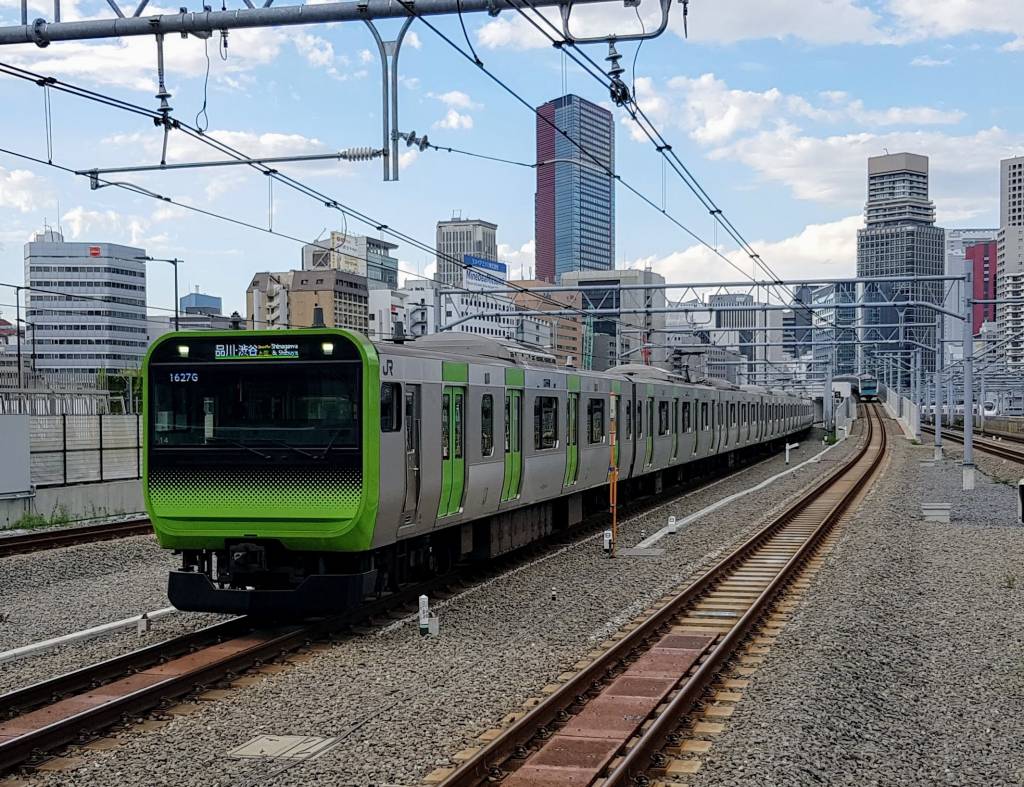
You’ll be taking the JR Tōkaidō Main Line, which takes the same path as the Tōkaidō Shinkansen, but takes a lot longer, making many stops and requiring train changes. Last we checked, the local train journey from Shingawa Station to Nagoya Station would take about 6 hours, and needs at least three transfers.
The fare is ¥6,380 one way, though you can save money with a Seishun 18 Ticket.
Using the Seishun 18 Ticket to travel to Nagoya
The Seishun 18 Ticket is the ultimate cheapo pass. It gives 5-days of unlimited travel on local and rapid JR trains — but nothing faster — for ¥12,050. As of August 2025, there is also a 3-day version of the ticket available for ¥10,000.

This discount travel scheme is released by JR three times a year, roughly around the time university holidays happen in summer, winter, and spring. Some brave souls use it to travel halfway across the country! However, journeys tend to be long and complicated, so you’ll need to plan carefully before boarding any trains.
Flights: Low cost, high carbon
¥4,000About 1 hour
Some of Japan’s low-cost carriers fly this route, which takes just 70 minutes runway to runway.
Nagoya’s nearest airport is Chūbu Centrair International Airport. There’s a direct train to Nagoya Station that takes about 30 minutes.
| Route | Airline | One-way Fare | Date | |
|---|---|---|---|---|
| Tokyo Narita => Nagoya Chubu Centrair | ANA | US$52.00 | Jan 18, 2026 | Booking options |
| Tokyo Narita => Nagoya Chubu Centrair | Japan Airlines | US$57.00 | Sep 30, 2025 | Booking options |
 | ||||
The discount airlines usually only fly out of Narita Airport for this route. Keep that in mind, as getting from Tokyo to Narita takes longer and costs more than getting from Tokyo to Haneda Airport.
You can get flights from Haneda to Nagoya on JAL or ANA, both of which have some discount fares for in-bound foreign travelers.
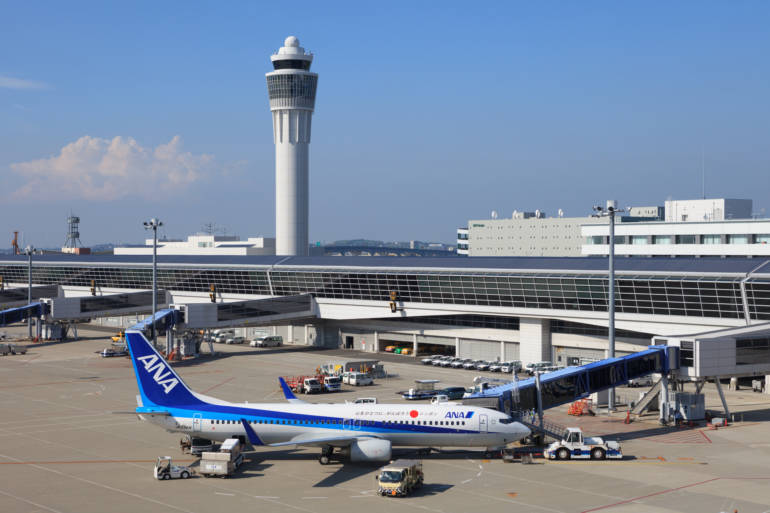
Is flying to Nagoya worth it?
Once you factor in the cost and hassle of airport transfers, flying to Nagoya from Tokyo starts to sound less appealing — especially compared to taking the Shinkansen. Flying to Nagoya makes more sense if you’re traveling from Sapporo or somewhere else far-flung.
Highway buses: Slow but steady
From ¥2,0006 to 10 hours
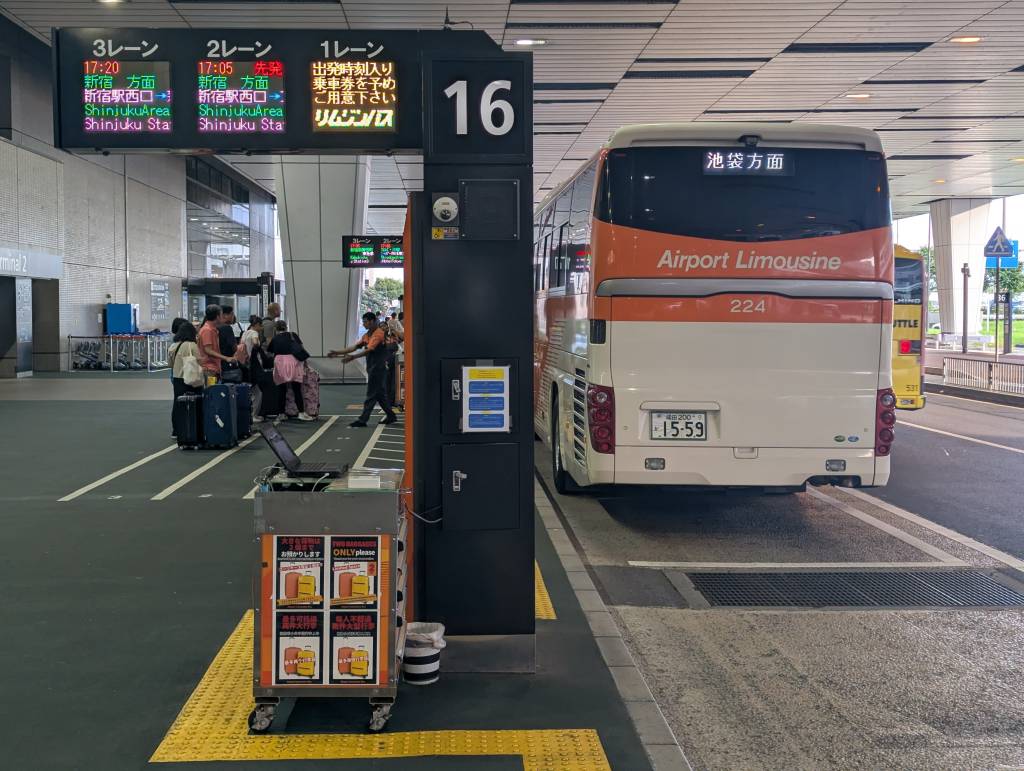
A very cheap way of getting from Tokyo to Nagoya is a highway bus — one-way tickets go for as little as ¥2,700. The downside is that the trip takes a good 6–8 hours, which is a lot of sitting time for those with long legs or little children.
Most buses leave Tokyo late at night, reaching Nagoya around dawn, meaning you can save on hotel and minimize time wastage if you’re looking to make the most of a trip. However, it’s possible to book daytime buses, too.
Check out Kosoku Bus and Willer Express to see what’s available from Tokyo to Nagoya on your travel dates.
Note that some bus sites list Nagoya as “Aichi (Nagoya).” Also, while there are super cheap options, weirdly expensive ones exist too, to the point that it’s more than a bullet train, so do compare.
Want to know 11 awesome things you can do in Aichi Prefecture?
While we do our best to ensure it’s correct, information is subject to change. This post was first published in November 2017. Last updated in August 2025.